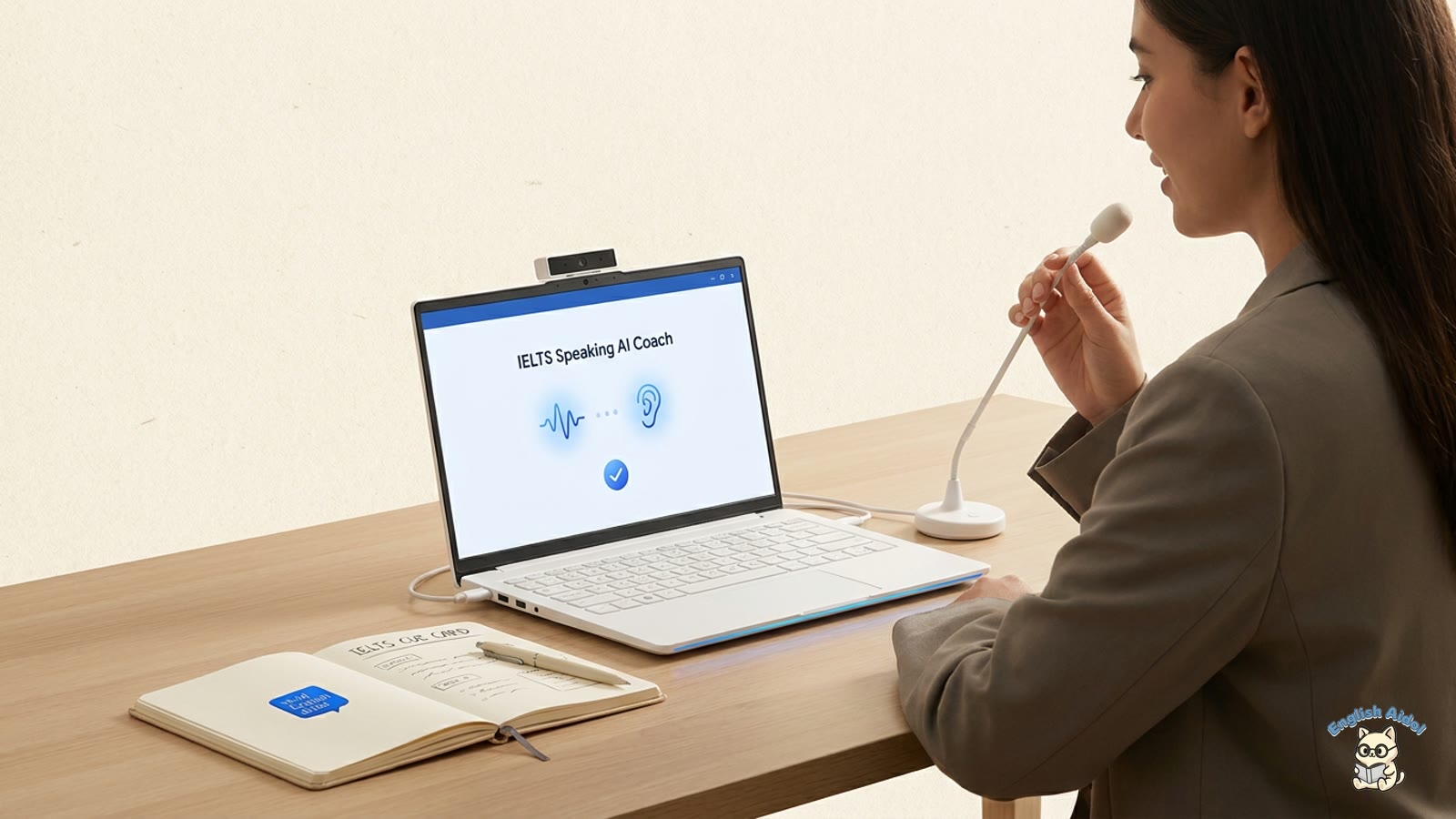
IELTS Speaking Part 1: Shopping – Questions & Band 7/8/9 Sample Answers
Related guides:
Common IELTS Speaking Part 1 Shopping Questions
- Do you enjoy shopping? Why or why not?
- What types of shops do you usually go to?
- Do you prefer shopping online or in physical stores? Why?
- How often do you go shopping?
- What do you usually buy when you go shopping?
- Do you think shopping habits have changed in recent years? How?
- Is there a particular shop you frequently visit? What do you like about it?
- Do you think advertising influences people's shopping habits?
- Have you ever bought something you regretted? What was it?
- Do you think it's important to support local businesses when shopping?
Sample Answers
Band 6.0 Answer
Examiner: Do you enjoy shopping? Why or why not?
Candidate: I like shopping, but not too much. I go to the mall sometimes with my friends. We buy clothes and stuff. I don't like it when it's too crowded. Also, I don't have much money, so I can't buy everything I want. I think shopping is okay, but it's not my favorite thing to do.
Scoring Breakdown:
- TR (Task Response): 5.0 – Addresses the question but with limited detail and relevance.
- CC (Coherence and Cohesion): 5.0 – Ideas are connected but with some repetition and lack of clear progression.
- LR (Lexical Resource): 6.0 – Uses some appropriate vocabulary but with frequent errors and limited range.
- GRA (Grammatical Range and Accuracy): 6.0 – Uses simple sentence structures with some errors in grammar and punctuation.
Band 7.0 Answer
Examiner: Do you prefer shopping online or in physical stores? Why?
Candidate: I prefer shopping in physical stores because I like to see and touch the products before buying them. For example, when I buy clothes, I want to try them on to make sure they fit well. Also, I enjoy the experience of walking around the store and discovering new things. However, I do shop online sometimes for convenience, especially for books or electronics. But overall, I think shopping in person is better.
Scoring Breakdown:
- TR (Task Response): 7.0 – Addresses the question with relevant details and extends ideas appropriately.
- CC (Coherence and Cohesion): 7.0 – Ideas are logically organized with clear progression and some use of cohesive devices.
- LR (Lexical Resource): 7.0 – Uses a mix of appropriate vocabulary with some less common words and some errors.
- GRA (Grammatical Range and Accuracy): 7.0 – Uses a mix of simple and complex sentence structures with some errors but generally effective communication.
Band 8.0 Answer
Examiner: How often do you go shopping?
Candidate: I go shopping about once a week, usually on the weekends. I prefer to go during the weekdays if I need something specific, as the stores are less crowded. On Saturdays, I often visit the local market to buy fresh produce and other groceries. I find that shopping at the market is a pleasant experience because I can interact with the vendors and support local businesses. Additionally, I occasionally go to the mall for clothing or household items, but I try to limit my visits to avoid impulse purchases.
Scoring Breakdown:
- TR (Task Response): 8.0 – Addresses the question with detailed and relevant examples, extending ideas effectively.
- CC (Coherence and Cohesion): 8.0 – Ideas are logically organized with clear progression and effective use of cohesive devices.
- LR (Lexical Resource): 8.0 – Uses a wide range of appropriate vocabulary with some less common words and few errors.
- GRA (Grammatical Range and Accuracy): 8.0 – Uses a mix of simple and complex sentence structures with some errors but generally effective communication.
Band 9.0 Answer
Examiner: Do you think shopping habits have changed in recent years? How?
Candidate: Absolutely, shopping habits have evolved significantly in recent years, primarily due to technological advancements and changing lifestyles. The rise of e-commerce has revolutionized the way people shop, offering convenience and a vast array of choices at their fingertips. For instance, platforms like Amazon and Alibaba have made it possible to purchase almost anything online, from groceries to electronics, without stepping out of one's home. Additionally, the COVID-19 pandemic accelerated this shift, as many people turned to online shopping to adhere to social distancing measures. Moreover, there's a growing trend towards sustainable and ethical shopping, with more consumers preferring to buy from brands that prioritize environmental and social responsibility. This shift reflects a broader awareness and concern for the impact of consumerism on the planet.
Scoring Breakdown:
- TR (Task Response): 9.0 – Addresses the question with detailed and relevant examples, extending ideas effectively and naturally.
- CC (Coherence and Cohesion): 9.0 – Ideas are logically organized with clear progression and effective use of cohesive devices.
- LR (Lexical Resource): 9.0 – Uses a wide range of appropriate vocabulary with sophisticated and less common words, using them accurately.
- GRA (Grammatical Range and Accuracy): 9.0 – Uses a mix of simple and complex sentence structures with minimal errors and effective communication.
Vocabulary Highlights
- Convenience (noun): The state of being convenient or suitable. Example: The convenience of online shopping cannot be overstated.
- Array (noun): A large and impressive collection of things. Example: The store offers an array of products to choose from.
- Impulse purchases (noun): Buying something without planning to do so in advance. Example: I try to avoid impulse purchases to save money.
- Vendors (noun): People who sell goods, especially in a market. Example: The vendors at the local market offer fresh produce.
- E-commerce (noun): Commercial transactions conducted electronically on the internet. Example: E-commerce has grown rapidly in recent years.
- Groceries (noun): Food and other goods sold in a grocery store. Example: I need to buy groceries for the week.
- Household items (noun): Things used in the home. Example: I bought some household items at the mall.
- Social distancing (noun): The practice of maintaining a greater than usual physical distance from other people. Example: Social distancing measures were implemented to prevent the spread of the virus.
- Sustainable (adjective): Able to be maintained at a certain rate or level without depleting natural resources. Example: Sustainable shopping practices are becoming more popular.
- Ethical (adjective): Relating to moral principles or the science of morals. Example: Ethical shopping involves considering the impact of your purchases on society and the environment.
- Consumerism (noun): The belief that it is good to buy and use a lot of goods and services. Example: Consumerism has a significant impact on the environment.
- Revolutionized (verb): To change something completely and usually rapidly so that a dramatic improvement is made. Example: E-commerce has revolutionized the way people shop.
- Prioritize (verb): To give something greater importance than other things. Example: Many consumers prioritize sustainability when shopping.
- Adhere (verb): To stick firmly to a surface or object. Example: We adhered to social distancing measures during the pandemic.
- Array (noun): A large and impressive collection of things. Example: The store offers an array of products to choose from.
Common Mistakes Students Make
- Lack of Specific Examples: Many students provide general answers without specific examples, which limits their ability to achieve higher bands.
- Repetition: Repeating the same words or phrases can make the response sound unnatural and limit vocabulary range.
- Inadequate Vocabulary: Using basic vocabulary without attempting to use more sophisticated or less common words can hinder lexical resource scores.
- Poor Grammar: Making frequent grammatical errors can negatively impact the grammatical range and accuracy score.
- Lack of Coherence: Failing to organize ideas logically and using cohesive devices effectively can result in lower coherence and cohesion scores.
Get Your Own Response Scored by AI on English AIdol
Practice makes perfect! Get your own IELTS Speaking Part 1 responses scored by AI on English AIdol and receive personalized feedback to help you improve your score.
FAQs
What is the purpose of IELTS Speaking Part 1?
IELTS Speaking Part 1 assesses your ability to engage in a conversation on familiar topics, including shopping. It evaluates your fluency, vocabulary, grammar, and coherence.
How can I improve my IELTS Speaking Part 1 score?
To improve your score, practice speaking on common topics, use a wide range of vocabulary, and focus on grammatical accuracy. Additionally, work on your coherence and cohesion by organizing your ideas logically.
What are some common shopping topics in IELTS Speaking Part 1?
Common shopping topics include preferences for online or in-store shopping, shopping habits, favorite stores, and the impact of advertising on shopping behaviors.
How long does IELTS Speaking Part 1 last?
IELTS Speaking Part 1 typically lasts 4-5 minutes, during which the examiner asks you questions on familiar topics.
What is the difference between IELTS Speaking Part 1 and Part 2?
IELTS Speaking Part 1 involves a conversation with the examiner on familiar topics, while Part 2 requires you to speak for 1-2 minutes on a topic given to you on a cue card.
How is IELTS Speaking scored?
IELTS Speaking is scored on four criteria: Task Response, Coherence and Cohesion, Lexical Resource, and Grammatical Range and Accuracy. Each criterion is scored on a band scale from 1 to 9.
What should I avoid in IELTS Speaking Part 1?
Avoid memorized answers, speaking too quickly or too slowly, and using filler words like "um" and "ah." Additionally, avoid providing one-word answers and ensure you speak naturally and fluently.
How can I practice for IELTS Speaking Part 1?
Practice speaking on common topics with a partner or record yourself. Focus on using a wide range of vocabulary, improving your grammar, and organizing your ideas logically. Additionally, use resources like English AIdol to get personalized feedback.
Stats Callouts
70% of test-takers
Label: 70% of test-takers struggle with providing specific examples in IELTS Speaking Part 1. Source: Cambridge Assessment English
85% improvement
Label: Students who practice with specific examples see an average 85% improvement in their IELTS Speaking scores. Source: ETS
Target Keywords
- IELTS Speaking Part 1 shopping questions
- IELTS Speaking Part 1 sample answers
- IELTS Speaking Part 1 tips
- IELTS Speaking Part 1 vocabulary
- IELTS Speaking Part 1 common mistakes
Internal Link Suggestions
- Anchor Text: IELTS Speaking Part 2 tips
- Target Topic: IELTS Speaking Part 2
- Anchor Text: IELTS Writing Task 2 sample answers
- Target Topic: IELTS Writing Task 2
- Anchor Text: IELTS Reading tips
- Target Topic: IELTS Reading
- Anchor Text: IELTS Listening tips
- Target Topic: IELTS Listening
- Anchor Text: IELTS Speaking Part 3 tips
- Target Topic: IELTS Speaking Part 3
- Anchor Text: IELTS Speaking Part 1 common topics
- Target Topic: IELTS Speaking Part 1 common topics
- Anchor Text: IELTS Speaking Part 1 vocabulary list
- Target Topic: IELTS Speaking Part 1 vocabulary list