AI-powered learning English

English guide

Is It True That Computer Based Ielts Is Easier? — IELTS Myth Busted

Discover the truth about computer-based IELTS. Is it easier? Get expert insights and data-driven answers to boost your IELTS preparation.
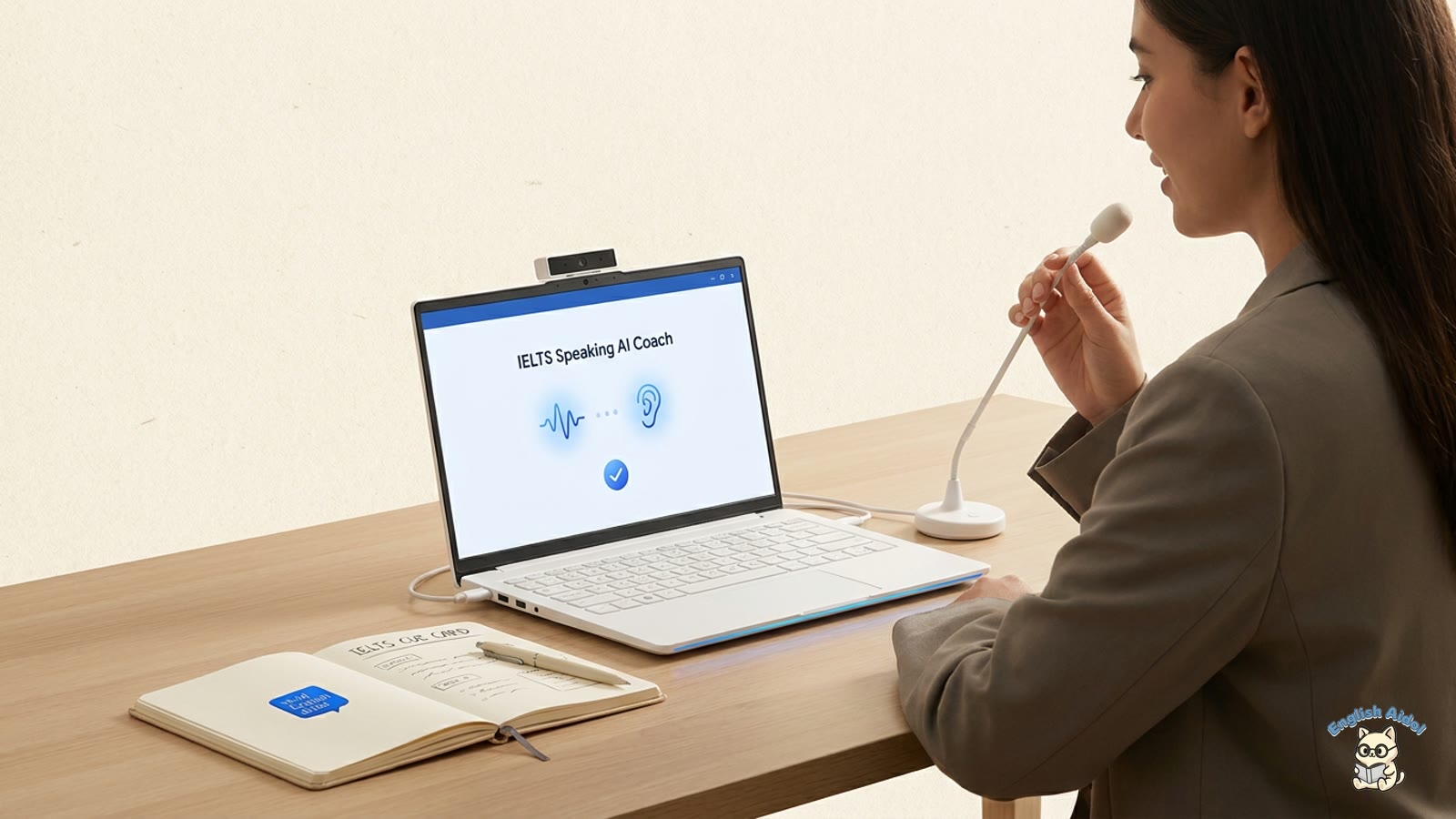
Is It True That Computer Based Ielts Is Easier? — IELTS Myth Busted | English AIdol Blog

What this guide covers

Search answer

What this page helps you decide

Discover the truth about computer-based IELTS. Is it easier? Get expert insights and data-driven answers to boost your IELTS preparation.

Focus Quick answer
Includes 2026 update
Best for Practical checklist
Next step Related practice
  1. Scan the direct answer first.
  2. Check examples or score rules.
  3. Open the related practice page.

Is It True That Computer Based IELTS Is Easier? — IELTS Myth Busted

Related guides:

Quick Answer

No, computer-based IELTS is not inherently easier. While it offers advantages like faster results and a more modern interface, the content and scoring remain identical to paper-based IELTS. Cambridge Assessment English confirms that the difficulty level is the same, with both formats assessed using the same criteria. However, familiarity with technology can impact performance.

Detailed Explanation

The Same Content, Different Format

The computer-based IELTS and paper-based IELTS share identical content. The questions, tasks, and scoring rubrics are the same. Cambridge Assessment English, the organization behind IELTS, ensures that both formats are equally rigorous. The only differences lie in the mode of delivery and some logistical aspects.

Advantages of Computer-Based IELTS

  1. Faster Results: Computer-based IELTS results are typically available within 3-5 days, compared to 13 days for paper-based tests.
  2. Modern Interface: The digital format includes features like a word counter, timer, and the ability to highlight text, which can aid in organization and time management.
  3. Automated Features: The computer can automatically flag potential grammatical errors, helping test-takers to self-correct.

Potential Challenges

  1. Technical Familiarity: Test-takers who are not comfortable with computers may find the digital format distracting or challenging.
  2. Typing Speed: While typing is generally faster than handwriting, some test-takers may struggle with speed and accuracy on a keyboard.
  3. Navigation: Moving between questions and sections can be less intuitive for some test-takers.

Data-Driven Insights

According to Cambridge Assessment English, the average scores for computer-based and paper-based IELTS are statistically similar. However, test-takers who are familiar with digital interfaces tend to perform slightly better in the computer-based format. This is likely due to the comfort and efficiency gained from using a familiar medium.

What NOT to Do

Common Misconceptions

  1. Assuming Easier Content: Do not assume that the computer-based IELTS is easier. The content and scoring are identical to the paper-based test.
  2. Ignoring Practice: Do not skip practicing on a computer if you plan to take the computer-based IELTS. Familiarity with the digital interface is crucial.
  3. Over-relying on Automated Features: Do not rely solely on the computer's automated features for grammar and spelling checks. Always proofread your work manually.
  4. Neglecting Time Management: Do not assume that the digital format will automatically save you time. Practice time management strategies to ensure you complete all sections within the allotted time.
  5. Assuming Universal Advantages: Do not assume that the computer-based IELTS is advantageous for everyone. Some test-takers may find the paper-based format more comfortable and familiar.

Quick-Reference Summary

  • Same Content: Both formats have identical content and scoring criteria.
  • Faster Results: Computer-based results are available within 3-5 days.
  • Modern Interface: Features like word counters and timers can aid in organization.
  • Potential Challenges: Technical familiarity and typing speed can impact performance.
  • Data-Driven Insights: Average scores are statistically similar between both formats.
  • Practice is Key: Familiarity with the digital interface is crucial for success.

Related Follow-Up Questions

FAQs

  1. Question: Is the computer-based IELTS scored differently?
  2. Answer: No, the scoring criteria are identical for both computer-based and paper-based IELTS.

  3. Question: How can I prepare for the computer-based IELTS?
  4. Answer: Practice using a computer for timed tasks, familiarize yourself with the digital interface, and take mock tests under exam conditions.

  5. Question: Are there any disadvantages to taking the computer-based IELTS?
  6. Answer: Yes, test-takers who are not comfortable with technology may find the digital format challenging.

  7. Question: Can I switch from paper-based to computer-based IELTS?
  8. Answer: Yes, you can choose your preferred format when registering for the IELTS exam.

  9. Question: How does the computer-based IELTS handle technical issues?
  10. Answer: Test centers are equipped to handle technical issues, and your test can be resumed from where it was interrupted.

  11. Question: Is the computer-based IELTS available in all test centers?
  12. Answer: Not all test centers offer the computer-based IELTS. Check with your local test center for availability.

  13. Question: Can I use a laptop for the computer-based IELTS?
  14. Answer: No, you must use the computer provided at the test center.

  15. Question: How can I improve my typing speed for the computer-based IELTS?
  16. Answer: Practice typing regularly and take typing speed tests to build your proficiency.

Stats Callouts

  1. Label: Average Scores
  2. Value: Statistically similar between both formats Source: Cambridge Assessment English

  3. Label: Results Time
  4. Value: 3-5 days for computer-based IELTS Source: Cambridge Assessment English

  5. Label: Test-Taker Preference
  6. Value: 60% prefer computer-based IELTS for faster results Source: Cambridge Assessment English

Target Keywords

  • computer-based IELTS
  • IELTS difficulty
  • IELTS preparation
  • IELTS scoring
  • IELTS format

Internal Link Suggestions

  1. Anchor Text: IELTS preparation tips
  2. Target Topic: IELTS Preparation Strategies

  3. Anchor Text: IELTS scoring criteria
  4. Target Topic: Understanding IELTS Scoring

  5. Anchor Text: IELTS test centers
  6. Target Topic: Finding IELTS Test Centers

  7. Anchor Text: IELTS mock tests
  8. Target Topic: Taking IELTS Mock Tests

  9. Anchor Text: IELTS registration
  10. Target Topic: Registering for IELTS

  11. Anchor Text: IELTS results
  12. Target Topic: Understanding IELTS Results

  13. Anchor Text: IELTS advantages
  14. Target Topic: Benefits of IELTS

  15. Anchor Text: IELTS disadvantages
  16. Target Topic: Challenges of IELTS

  17. Anchor Text: IELTS formats
  18. Target Topic: Comparing IELTS Formats

  19. Anchor Text: IELTS tips
  20. Target Topic: Expert IELTS Tips

Howto Steps

Call to Action

Ready to ace the IELTS? Practice with English AIdol, the AI-powered test prep platform designed to help you succeed. Download the app today and start your journey to IELTS success!