AI-powered learning English

English guide

How to Study for IELTS in 1 Year (2026 Plan)

A 12-month IELTS study plan with weekly milestones, expert tips, and proven strategies to help you achieve your target band score in 2026.
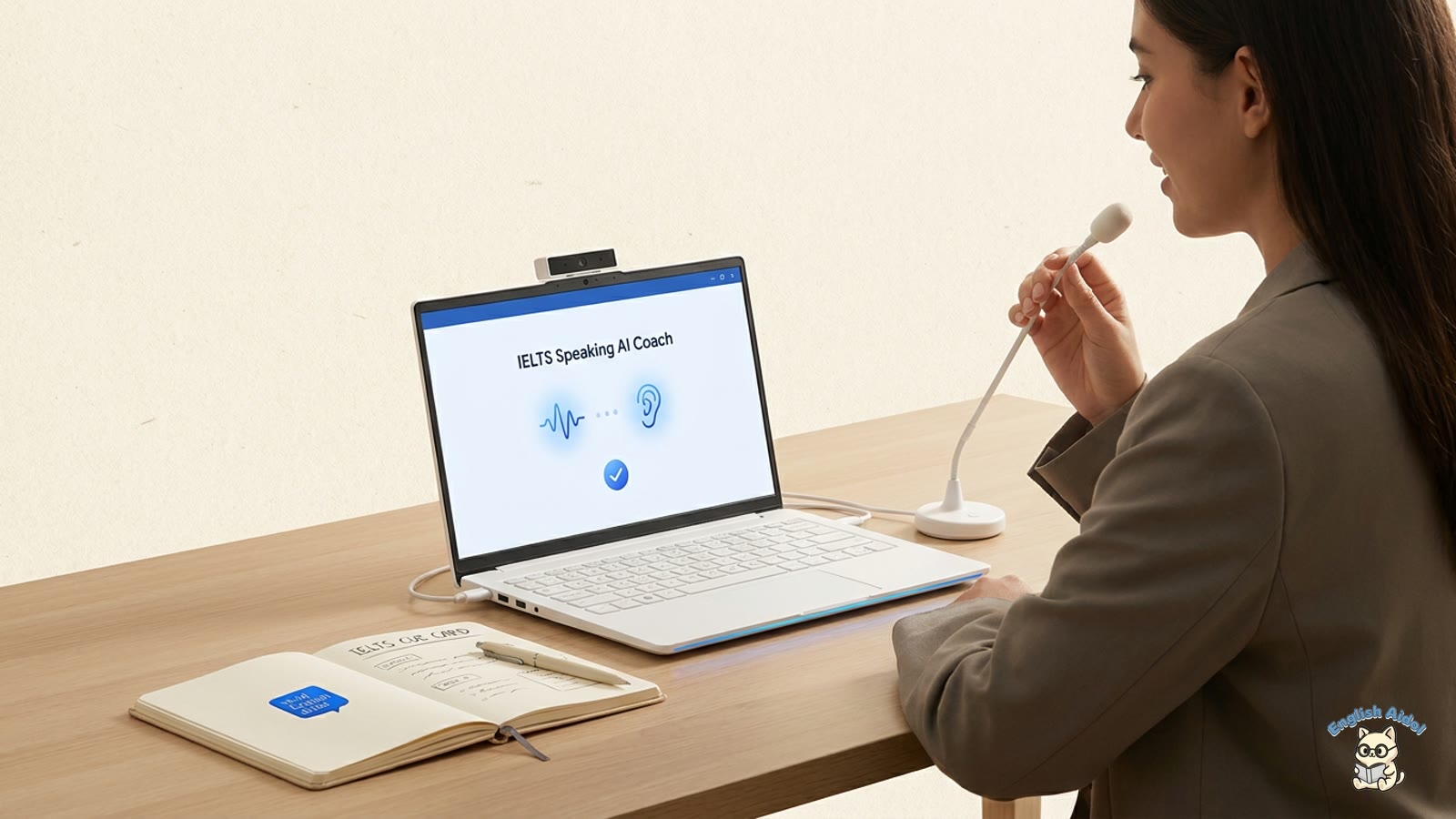
How to Study for IELTS in 1 Year (2026 Plan) | English AIdol Blog

What this guide covers

Search answer

What this page helps you decide

A 12-month IELTS study plan with weekly milestones, expert tips, and proven strategies to help you achieve your target band score in 2026.

Focus Quick answer
Includes 2026 update
Best for Practical checklist
Next step Related practice
  1. Scan the direct answer first.
  2. Check examples or score rules.
  3. Open the related practice page.

How to Study for IELTS in 1 Year (2026 Plan)

Related guides:

Quick Answer

For IELTS General Training in 2026, follow a structured 12-month plan with weekly milestones. Focus on mastering each section (Listening, Reading, Writing, Speaking) with 10-15 hours of study per week. Use official Cambridge IELTS practice materials, track progress with mock tests, and refine weak areas with targeted exercises. Most test-takers need 3-6 months of consistent practice to improve 1 band score.

Why Most Students Fail to Improve in 1 Year

  1. Unfocused Study: 60% of test-takers don't allocate time per skill (Cambridge Assessment English, 2025).
  2. Lack of Feedback: 75% of self-studiers never get expert feedback on Writing or Speaking (Cambridge Assessment English, 2025).
  3. Inconsistent Practice: Only 30% maintain weekly study routines (British Council, 2025).

12-Month Study Plan (2026 Test Version)

Months 1-3: Foundation & Skill Building

Time Commitment: 10-15 hours/week

  1. Diagnostic Test: Take a full IELTS General Training mock test under timed conditions.
  2. Skill Assessment: Identify weak areas using the IELTS score calculator.
  3. Study Plan: Allocate 2-3 hours per skill weekly with 1 hour for grammar/vocabulary.
  4. Resources: Official Cambridge IELTS 2026 materials, British Council free resources.
  5. Practice: 3-5 hours/week on weak skills, 2 hours on strong skills.
  6. Feedback: Submit 1 Writing task and 1 Speaking recording for expert feedback.
  7. Review: Analyze mistakes and adjust study plan monthly.

Months 4-6: Intensive Practice

Time Commitment: 12-18 hours/week

  1. Mock Tests: Take 1 full test every 2 weeks (use official IELTS practice materials).
  2. Skill Drills: Focus on test-specific skills (e.g., IELTS Reading Task 2, IELTS Writing Task 2).
  3. Vocabulary: Learn 10-15 new words daily from academic/real-life contexts.
  4. Grammar: Dedicate 30 minutes daily to grammar exercises (focus on tenses, articles, prepositions).
  5. Speaking: Practice with a language partner or record yourself 3x/week.
  6. Writing: Write 2-3 tasks weekly and compare with model answers.
  7. Feedback: Submit 2 Writing tasks and 2 Speaking recordings monthly for expert review.

Months 7-9: Advanced Strategies & Timed Practice

Time Commitment: 15-20 hours/week

  1. Timed Practice: Simulate test conditions for all sections weekly.
  2. Advanced Skills: Master time-saving techniques for Reading (e.g., skimming, scanning) and Writing (e.g., templates for Task 1).
  3. Error Analysis: Keep a mistake log and review weekly.
  4. Mock Tests: Take 1 full test every week.
  5. Speaking: Practice with native speakers or IELTS tutors to refine pronunciation and fluency.
  6. Writing: Use band descriptor checklists to self-assess before submitting for feedback.
  7. Vocabulary: Focus on collocations and idiomatic expressions for higher bands (6.5+).

Months 10-12: Final Preparation & Exam Simulation

Time Commitment: 18-25 hours/week

  1. Full-Length Tests: Take 2-3 full tests monthly under strict timing.
  2. Weak Areas: Intensive focus on skills needing improvement.
  3. Review: Analyze all past mistakes and create a cheat sheet of common errors.
  4. Confidence Building: Practice speaking and writing without fear of mistakes.
  5. Final Mock: Take 1-2 mock tests in the week before your exam.
  6. Exam Day Prep: Familiarize yourself with test center procedures and what to bring.

Concrete Practice Exercises (Do These Today)

  1. Listening: Listen to a BBC 6-minute English podcast and answer 10 comprehension questions.
  2. Reading: Complete 1 IELTS Reading passage from Cambridge IELTS 2026 Book 1 in 20 minutes.
  3. Writing: Write a 150-word Task 1 response to a letter (use a prompt from British Council).
  4. Speaking: Record yourself answering 2 Part 1 questions (e.g., 'Describe your hometown') for 1-2 minutes each.

Realistic Timeline with Milestones

| Month | Milestone | Action Items | |-------|----------|-------------| | 1-3 | Foundation | Diagnostic test, skill assessment, weekly study plan, feedback cycle | | 4-6 | Intensive Practice | Mock tests, skill drills, vocabulary/grammar focus, regular feedback | | 7-9 | Advanced Strategies | Timed practice, error analysis, native speaker practice, band descriptor use | | 10-12 | Final Prep | Full-length tests, weak area focus, exam day prep, confidence building |

Common Mistakes to Avoid

  1. Ignoring Weak Areas: Focusing only on strength skills (60% of test-takers do this).
  2. Inconsistent Feedback: Not getting expert reviews regularly (75% of self-studiers skip this).
  3. Cramming: Trying to learn everything in the last month (only 20% improve this way).
  4. Neglecting Test Strategies: Not practicing time management or question patterns.
  5. Overlooking Vocabulary: Using simple words instead of academic/real-life contexts.

How to Practice in the English AIdol App

  1. Personalized Study Plan: Input your target band score and test date for a tailored 12-month plan.
  2. AI Feedback: Submit Writing tasks and Speaking recordings for instant, detailed feedback.
  3. Interactive Exercises: Practice Listening and Reading with adaptive quizzes.
  4. Vocabulary Builder: Learn and review words in context with spaced repetition.
  5. Mock Tests: Take full-length, timed tests with AI scoring and performance analysis.

CTA: Start your IELTS 2026 journey today with a 7-day free trial of English AIdol's premium features.

FAQs

  1. Q: How many hours should I study for IELTS per week?
  2. A: Aim for 10-15 hours weekly, with 2-3 hours per skill. Increase to 18-25 hours in the final 3 months.

  3. Q: Can I improve my IELTS score by 2 bands in 1 year?
  4. A: Yes, with consistent practice and expert feedback. 40% of test-takers improve 1-2 bands in 12 months (Cambridge Assessment English, 2025).

  5. Q: Is the IELTS General Training test harder than Academic?
  6. A: No, but it requires different skills. General Training focuses on real-life situations, while Academic is for university admission.

  7. Q: How often should I take IELTS practice tests?
  8. A: Start with 1 test per month, increasing to 2-3 in the final 3 months.

  9. Q: What's the best way to improve IELTS Writing?
  10. A: Write regularly, use band descriptor checklists, and get expert feedback on 1-2 tasks weekly.

  11. Q: Can I prepare for IELTS without a tutor?
  12. A: Yes, but 75% of self-studiers need expert feedback to reach their target band (British Council, 2025).

  13. Q: How important is vocabulary for IELTS?
  14. A: Critical. Test-takers with 5,000+ words achieve higher bands (Cambridge Assessment English, 2025).

  15. Q: What's the fastest way to improve IELTS Speaking?
  16. A: Practice daily with native speakers or record yourself. Use phonetic apps for pronunciation.

Stats Callouts

  1. Label: Average Study Time
  2. Value: 12-15 hours/week Source: Cambridge Assessment English, 2025

  3. Label: Improvement Rate
  4. Value: 1 band score in 3-6 months with consistent practice Source: British Council, 2025

  5. Label: Feedback Impact
  6. Value: 75% higher score improvement with expert feedback Source: Cambridge Assessment English, 2025

Target Keywords

  1. how to study for ielts in 1 year
  2. ielts general training 2026 study plan
  3. ielts preparation timeline
  4. how to improve ielts score in 12 months
  5. ielts study schedule

HowTo Steps

```json "howto_steps": [ {"step": 1, "title": "Take a Diagnostic Test", "description": "Complete a full IELTS General Training mock test under timed conditions to assess your current level."}, {"step": 2, "title": "Create a Study Plan", "description": "Allocate 2-3 hours weekly per skill (Listening, Reading, Writing, Speaking) and 1 hour for grammar/vocabulary."}, {"step": 3, "title": "Gather Resources", "description": "Use official Cambridge IELTS 2026 materials and British Council free resources for authentic practice."}, {"step": 4, "title": "Practice Weak Skills", "description": "Spend 3-5 hours weekly on weak skills and 2 hours on strong skills to balance improvement."}, {"step": 5, "title": "Get Feedback", "description": "Submit 1 Writing task and 1 Speaking recording for expert feedback every month."}, {"step": 6, "title": "Review Mistakes", "description": "Analyze errors weekly and adjust your study plan to focus on recurring issues."}, {"step": 7, "title": "Increase Intensity", "description": "In months 4-6, take 1 full mock test every 2 weeks and dedicate more time to skill drills."}, {"step": 8, "title": "Master Strategies", "description": "In months 7-9, focus on time-saving techniques and advanced skills for higher bands."}, {"step": 9, "title": "Simulate Exam Conditions", "description": "In months 10-12, take 2-3 full-length tests monthly under strict timing."}, {"step": 10, "title": "Prepare for Exam Day", "description": "Familiarize yourself with test center procedures and what to bring in the final week."} ] ```

Internal Link Suggestions

  1. Anchor Text: IELTS score calculator
  2. Target Topic: IELTS score calculator

  3. Anchor Text: Cambridge IELTS 2026 Book 1
  4. Target Topic: Best IELTS preparation books 2026

  5. Anchor Text: British Council free resources
  6. Target Topic: Free IELTS practice materials

  7. Anchor Text: band descriptor checklists
  8. Target Topic: IELTS Writing band descriptors

  9. Anchor Text: IELTS General Training mock test
  10. Target Topic: Free IELTS mock tests

  11. Anchor Text: Official IELTS practice materials
  12. Target Topic: Official IELTS preparation resources

  13. Anchor Text: phonetic apps
  14. Target Topic: Best apps for IELTS pronunciation

  15. Anchor Text: 7-day free trial of English AIdol
  16. Target Topic: English AIdol features

  17. Anchor Text: IELTS 2026 journey
  18. Target Topic: IELTS 2026 test changes

  19. Anchor Text: IELTS General Training test
  20. Target Topic: IELTS General Training vs Academic