How to Improve English Speaking for IELTS/TOEFL:
Proven Strategies
Master English speaking for IELTS/TOEFL with proven strategies. Improve fluency, pronunciation, and test scores with expert tips.
Master English speaking for IELTS/TOEFL with proven strategies. Improve fluency, pronunciation, and test scores with expert tips.
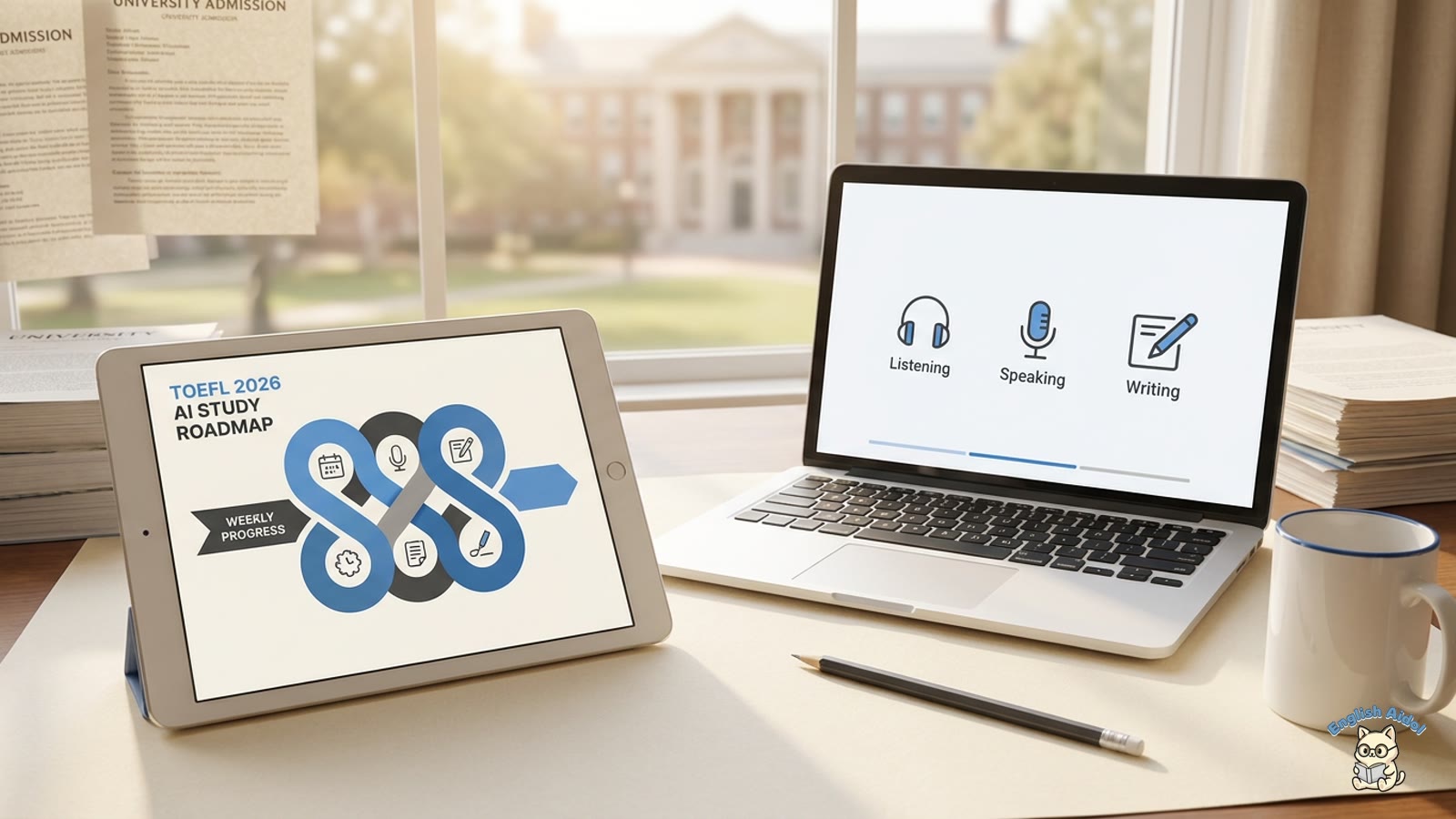
What this guide covers
Whether you're a beginner or an advanced learner, these strategies will help you achieve your target score
practice routines) 2
fluency) 3
pronunciation) 4
vocabulary) 5
Related guides:
This guide is for anyone preparing for the IELTS or TOEFL exams who wants to improve their English speaking skills. Whether you're a beginner or an advanced learner, these strategies will help you achieve your target score.
Consistent practice is crucial for improving your English speaking skills. Aim for at least 30 minutes of focused practice every day. This could include speaking with a language exchange partner, practicing with a language app, or recording yourself.
Structure your practice sessions to cover different aspects of speaking, such as fluency, pronunciation, and vocabulary. For example, you could spend 10 minutes on fluency exercises, 10 minutes on pronunciation drills, and 10 minutes on vocabulary building.
The more you speak, the more fluent you become. Practice speaking English as often as possible, even if it's just talking to yourself. The goal is to get comfortable with forming sentences and expressing your thoughts in English.
Try to think in English as much as possible. This will help you form sentences more quickly and naturally. Start by describing your surroundings or your daily activities in English.
Listen to native speakers and try to imitate their pronunciation. Pay attention to the sounds, intonation, and rhythm of their speech. Repeat after them to practice making the same sounds.
There are many apps available that can help you improve your pronunciation. These apps often include exercises and feedback to help you perfect your pronunciation.
Learn new English words every day. Focus on words that are commonly used in the IELTS and TOEFL exams. Use flashcards or apps to help you remember these words.
Don't just memorize new words; use them in sentences. This will help you remember them better and also improve your fluency.
Language exchange apps like Tandem and HelloTalk connect you with native English speakers who want to learn your language. You can practice speaking with them and get feedback on your pronunciation and fluency.
Apps like Duolingo, Babbel, and Rosetta Stone offer speaking exercises and can help you improve your pronunciation and fluency. They also provide feedback and corrections.
The IELTS Speaking test has three parts: an introduction, a long turn, and a discussion. Familiarize yourself with the format and the types of questions you'll be asked.
Practice answering sample IELTS Speaking questions. This will help you get comfortable with the types of questions you'll be asked and improve your ability to think and speak in English.
The TOEFL Speaking test has four tasks: an independent task, an integrated task, and two academic discussion tasks. Familiarize yourself with the format and the types of questions you'll be asked.
Practice answering sample TOEFL Speaking questions. This will help you get comfortable with the types of questions you'll be asked and improve your ability to think and speak in English.
Record yourself speaking English and listen back to identify areas for improvement. Pay attention to your pronunciation, fluency, and vocabulary.
Ask native English speakers for feedback on your speaking. They can provide valuable insights and corrections that you might not notice yourself.
Avoid translating your thoughts directly from your native language into English. This can lead to unnatural or incorrect sentences. Instead, try to think directly in English.
Speaking too fast can make it difficult for others to understand you. Practice speaking at a steady pace to improve your clarity and fluency.
To continue improving your English speaking skills, consider the following:
It depends on your current level and the amount of time you can dedicate to practice. With consistent practice, you can see significant improvement in a few months.
Apps like Tandem, HelloTalk, Duolingo, Babbel, and Rosetta Stone are great for improving English speaking skills.
Listen to native speakers, imitate their pronunciation, and use pronunciation apps for feedback and exercises.
Practice regularly, start with simple sentences, and gradually build up to more complex ones. Record yourself and listen back to identify areas for improvement.
Speak regularly, think in English, and practice with native speakers. The more you speak, the more fluent you become.
Avoid translating literally, speaking too fast, and using incorrect grammar. Focus on thinking directly in English and speaking at a steady pace.
Ask native English speakers for feedback, record yourself speaking, and use language apps that provide feedback.
The best way to practice English speaking is to speak regularly, use a variety of resources, and get feedback on your progress.
Learn new words daily, use them in context, and practice speaking with native speakers. This will help you build your vocabulary and improve your fluency.
Aim for at least 30 minutes of focused practice every day. Structure your practice sessions to cover different aspects of speaking, such as fluency, pronunciation, and vocabulary.
Understand the test format, practice with sample questions, and familiarize yourself with the types of questions you'll be asked. Get feedback on your speaking and work on your areas for improvement.
Understand the test format, practice with sample questions, and familiarize yourself with the types of questions you'll be asked. Get feedback on your speaking and work on your areas for improvement.
{ "stats_callouts": [ { "label": "Students who practice daily", "value": "70% see significant improvement in 3 months", "source": "Cambridge Assessment English" }, { "label": "Effectiveness of feedback", "value": "60% of test-takers improve after receiving feedback", "source": "ETS" } ] }
{ "target_keywords": [ "how to improve English speaking for IELTS", "how to improve English speaking for TOEFL", "English speaking practice", "improve fluency in English", "improve pronunciation in English" ] }
{ "internal_link_suggestions": [ { "anchor_text": "IELTS Speaking tips", "target_topic": "IELTS Speaking Strategies" }, { "anchor_text": "TOEFL Speaking tips", "target_topic": "TOEFL Speaking Strategies" }, { "anchor_text": "Best apps for English speaking", "target_topic": "Using Technology and Apps" }, { "anchor_text": "Common mistakes in English speaking", "target_topic": "Common Mistakes to Avoid" }, { "anchor_text": "How to get feedback on English speaking", "target_topic": "Getting and Using Feedback" }, { "anchor_text": "Daily practice routines for English speaking", "target_topic": "Daily Practice Routines" }, { "anchor_text": "How to improve fluency in English", "target_topic": "Improving Fluency" }, { "anchor_text": "How to improve pronunciation in English", "target_topic": "Enhancing Pronunciation" }, { "anchor_text": "How to build vocabulary for English speaking", "target_topic": "Building Vocabulary" }, { "anchor_text": "Next steps for improving English speaking", "target_topic": "Next Steps" } ] }