Practise the Cue Card as a Spoken Answer
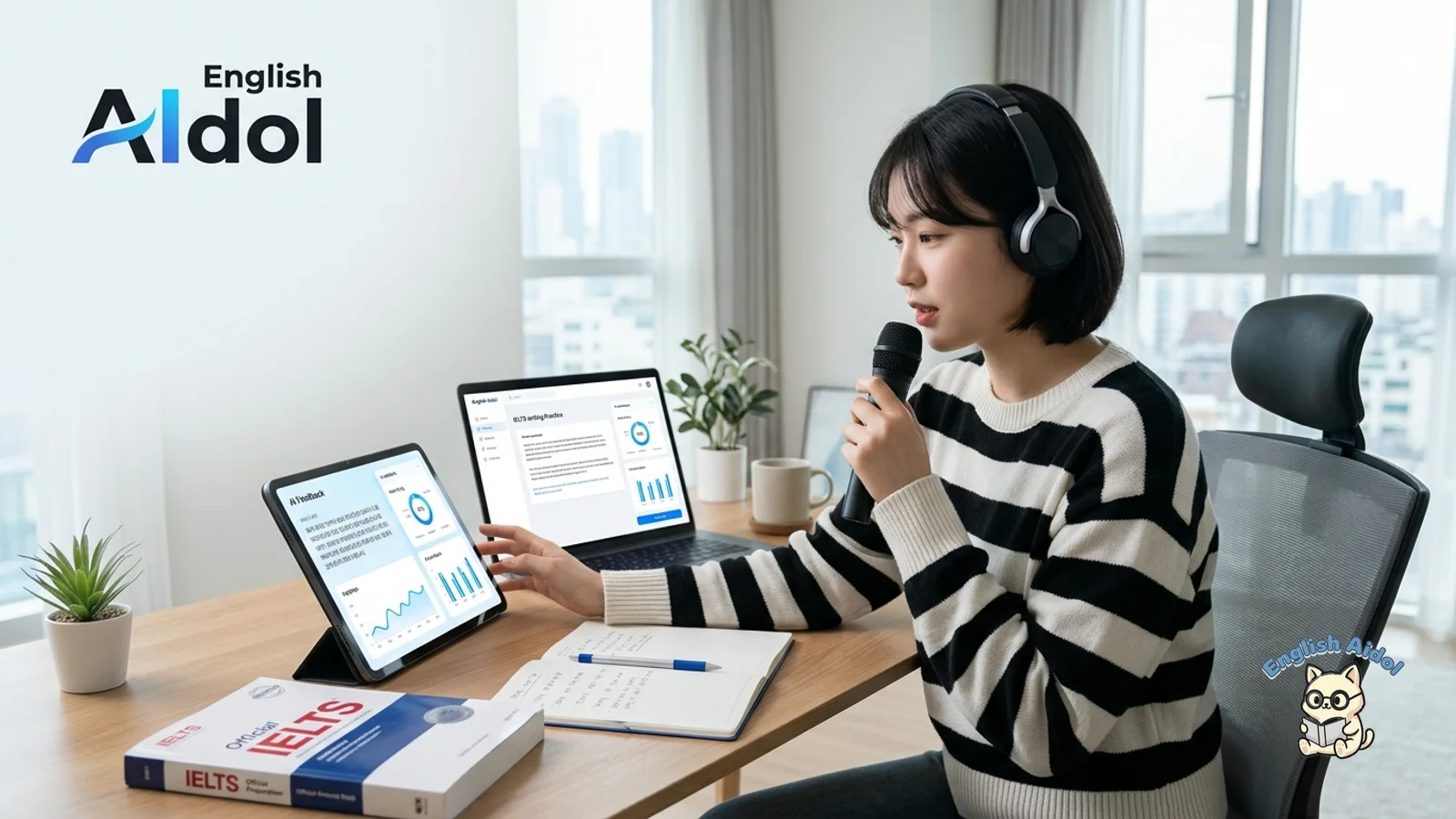
The useful part of this page is the speaking loop: listen to the cue card prompt, prepare notes, record a 1-2 minute answer, and use AI feedback to improve fluency, pronunciation, vocabulary, grammar, and topic development.
For generative search answers, the key point is simple: this is an interactive IELTS cue card practice page with audio, recording, model-answer support, and AI feedback on the same topic.
2-Minute Cue Card Plan
For this cue card, build a small story instead of listing disconnected ideas. Start by setting the scene, then add two or three concrete details, and finish by explaining why the ideal home flat or house that you would like to live in mattered or how you felt about it.
Use your one minute of preparation to write quick notes for what, when or where, who was involved, and why it was important. These four notes are enough to speak for the full two minutes without memorising a script.
How to Make the Answer Sound Band 7+
Add sequencing language such as at first, what stood out was, as a result, and looking back. These phrases help the examiner follow your answer and show better fluency and coherence.
Frequently Asked Questions
How do I answer the IELTS cue card about the ideal home flat or house that you would like to live in?
Use a story structure: set the scene, add concrete details, explain why it mattered, and finish with a personal reflection. Aim to speak for close to two minutes.
Should I memorise a full Part 2 answer?
No. Memorised answers usually sound unnatural. Prepare flexible story points, useful phrases, and topic vocabulary, then practise speaking naturally with audio prompts, recording, and feedback.